Urodynamics Clinic Workflow: Streamlining Notes, Reports & Invoicing
Optimise your urodynamics clinic workflow in Ireland. Streamline trace reports, insurer pre-auth, and billing for Vhi, Laya, and Irish Life Health.
Researched and written by Ask Brigid's AI pipeline and published automatically — not individually reviewed by a person. Useful as a starting point; check clinical, legal and regulatory details against a primary source before relying on them.
Built in Dublin · GDPR · Early access
Ask Brigid takes the admin so the clinic day stays clinical.
Where Urodynamic Study Billing and Documentation Fails in Irish Rooms
Urodynamic study billing and documentation in Irish private practice fails due to disconnected diagnostic hardware, manual data transcription, and delayed insurer claims. When tracing parameters are manually re-entered from standalone urodynamic equipment into clinic letters, administrative lag averages 11 working days, resulting in unbilled procedural consumables and delayed insurer reimbursements.
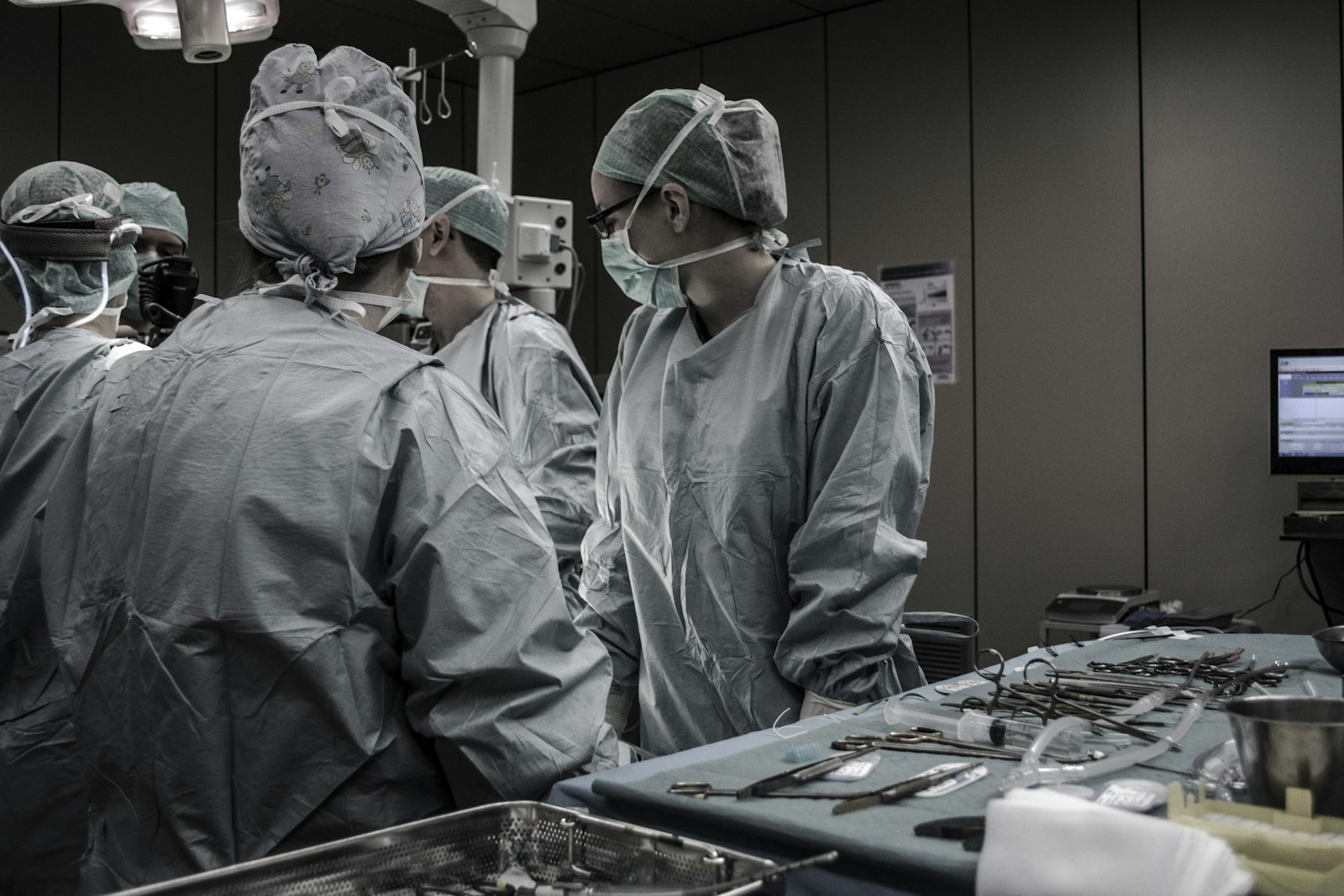
In an active private urology practice across facilities such as the Beacon Hospital, Blackrock Clinic, or Mater Private, an invasive urodynamics list demands intense clinical focus. A standard half-day session accommodates four to six patients undergoing complex multichannel cystometry, pressure-flow studies, and occasionally videourodynamics. Yet the operational infrastructure supporting these lists remains fragmented. While modern diagnostic units capture precise detrusor pressures, filling volumes, and flow rates, that data rarely communicates directly with practice management software. Instead, rooms rely on thermal paper printouts, non-searchable PDF exports stored on local hard drives, or handwritten nursing work-sheets.
This operational disconnect generates substantial revenue leakage. According to practice financial reviews across Irish surgical rooms, procedural documentation lag directly inflates unsubmitted claims. A standard multichannel urodynamic study represents a professional consultant fee between €220 and €480 depending on the insurer schedule, excluding hospital facility fees and technical components. When reports stall in transcription queues, claim submissions to private insurers inevitably drift past billing windows. Across an annual schedule of 150 to 200 urodynamic studies, an unbilled rate of just 8% due to missing investigation reports or untracked claims equates to €4,500 to €7,500 in lost gross professional revenue per room, before factoring in unrecovered disposable catheter kit expenses.
The time debt incurred by manual administrative workflows extracts an even higher operational toll. Consider the administrative journey of a single study:
- Manual tracing extraction: The urologist or urodynamics nurse spends 8 to 12 minutes annotating compliance markers, leak point pressures, and detrusor overactivity spikes onto a standalone machine software interface.
- Dictation and transcription: The consultant dictates an interpretive report summarizing bladder capacity, obstruction indices, and contractility metrics, taking 6 to 9 minutes per patient.
- Reconciliation and scanning: Medical secretarial staff spend 10 to 14 minutes per file printing the report, scanning tracing graphs into non-indexed document folders, attaching insurer claim numbers, and generating patient letters.
Across four patients on a single Friday morning list, this represents up to two hours and twenty minutes of administrative overhead. Over a 42-week clinical year, that amounts to nearly 100 hours spent on document reconciliation and manual data entry. For a private consultant, 100 hours equals 12 full theatre sessions or roughly 40 new patient consultations. Optimising the urodynamics clinic workflow removes this structural friction, ensuring that diagnostic findings convert into billable, verified clinical records without consuming valuable surgical capacity.
 ▶ Watch on YouTube
Pre-Procedure Intake: Eliminating Last-Minute Cancellations from Infection
Pre-procedure intake protocols eliminate last-minute urodynamics cancellations by enforcing mandatory mid-stream urine (MSU) culture screening seven days prior to catheterisation, verifying medication washouts, and tracking bowel preparation. Active urinary tract infections or unmanaged bacteriuria force immediate cancellations on the procedure day, generating clinical room downtime and unrecoverable equipment preparation expenses.
Invasive urodynamic investigations require transurethral catheterisation and intravesical pressure monitoring. Introducing dual-lumen lines into an actively infected lower urinary tract risks severe iatrogenic complications, ascending pyelonephritis, and urosepsis. Consequently, European and Irish clinical guidelines demand documented sterile urine prior to bladder instrumentation. Clinical audits cited by the National Institute for Health and Care Excellence (NICE) and international continence registries show that without automated pre-screening, cancellation rates on the morning of invasive urodynamics reach 12% to 18%, with asymptomatic bacteriuria and acute cystitis accounting for more than 70% of deferred investigations.
In private rooms across Dublin, Cork, and Galway, a same-day cancellation leaves a specialized procedure slot empty. Urodynamics suites require dedicated nursing support, sterile disposable catheter packs, pressure transducer lines, and sterile filling media. Once opened, consumable kits costing €65 to €110 must be discarded. Furthermore, nursing and suite allocation time cannot be recovered on thirty minutes' notice.
To eliminate this vulnerability, rooms require a structured pre-procedure intake pathway that removes secretarial phone-tag and places verifiable milestones on the patient record:
- T-minus 10 Days: Automated MSU Referral Dispatch: The clinical management system issues an electronic pathology order or GP instruction letter advising the patient to submit an MSU to an accredited laboratory (such as Eurofins, hospital laboratories, or local community hubs).
- T-minus 7 Days: Culture Verification Protocol: The administrative portal flags files lacking verified MSU lab results. If mixed growth or significant bacteriuria (>10^5 CFU/mL) is identified, targeted oral antibiotics are initiated immediately, or the patient is rescheduled before consumable packs are committed.
- T-minus 5 Days: Pharmacological Washout Audit: For patients assessed for detrusor overactivity or non-obstructive urinary symptoms, anticholinergics (e.g., solifenacin, tolterodine) or beta-3 adrenoceptor agonists (mirabegron) must be withheld for five to seven half-lives to ensure accurate baseline cystometry, unless the test specifically evaluates refractory symptoms on treatment.
- T-minus 48 Hours: Symptom and Bowel Clearance Check: Constipation and rectal faecal loading compress the bladder base, distorting intra-abdominal pressure (Pabd) baseline lines. Patients receive structured preparation guidance to ensure rectal emptying before transrectal balloon catheter placement.
Implementing tools such as Brigid Patient allows patients to complete their pre-procedure checklists directly, confirming that their lab results have been dispatched and logging their fluid intake online prior to arriving at the clinic. Giving patients control over their administrative requirements ensures that fewer unverified cases arrive on the day of the procedure, protecting theatre slots from costly cancellations.
How to Standardise Multichannel Tracing Notes and Diagnostic Reporting
Standardising multichannel tracing notes and diagnostic reporting requires adopting the standardised terminology of the International Continence Society (ICS), capturing discrete numerical urodynamic variables, and generating structured digital summaries. Converting complex filling cystometry, detrusor leak point pressures, and pressure-flow plots into uniform clinical categories eliminates diagnostic ambiguity and ensures defensible medico-legal documentation.
Diagnostic quality in urodynamic testing relies entirely on interpretive accuracy. A report stating merely that a patient exhibits 'bladder instability and poor flow' fails both clinical utility and medico-legal standards. As outlined by the International Continence Society (ICS) in their standardisation consensus reports, urology investigation documentation must clearly differentiate recorded intravesical pressure (Pves), abdominal pressure (Pabd), and calculated detrusor pressure (Pdet = Pves - Pabd) during both filling and voiding phases.
When documentation lacks uniformity, referring general practitioners, clinical nurse specialists, and multidisciplinary teams (MDTs) struggle to interpret post-intervention outcomes. Standardising diagnostic notes across private rooms guarantees that parameters such as bladder sensation, compliance, detrusor overactivity (DO), cystometric capacity, and post-void residual (PVR) volumes are captured systematically rather than left to hurried free-text dictation.
| Investigation Parameter | ICS Standard Terminology | Diagnostic Thresholds / Formulas | Primary Insurer Requirement |
|---|---|---|---|
| Filling Cystometry | Detrusor Overactivity (Terminal vs Phasic) | Involuntary Pdet rise during filling phase (>0 cmH2O) | Mandatory for Sacral Neuromodulation / Botox Pre-Auth |
| Bladder Compliance | Impaired Bladder Storage Compliance | ΔV / ΔPdet (<20 mL/cmH2O represents poor compliance) | Justifies augmentation cystoplasty or clean intermittent self-catheterisation (CISC) |
| Pressure-Flow Voiding | Frequently asked questions about urodynamics clinic workflowDoes Laya Healthcare require prior pre-authorisation for ambulatory urodynamics?Yes, major Irish private insurers typically require pre-authorisation code verification along with clinical indication notes confirming failed conservative therapy before approving ambulatory urodynamic studies. What documentation must accompany urodynamic study billing claims in Ireland?Insurers generally mandate a comprehensive consultant report detailing filling and voiding parameters, detrusor pressure interpretations, and linked diagnostic ICD-10 indications alongside procedural billing codes. How can urology practices reduce same-day cancellations for urodynamic testing?Implementing structured digital pre-intake screening that checks for recent mid-stream urine culture results ensures active urinary tract infections are treated before patient arrival. |
Frequently Asked Questions
Ready to give Brigid the admin?
Request early access — founding practices are onboarding now. Or book a 30-minute walkthrough with our team to see Brigid run a workflow with your own data.
EU-hosted · GDPR · Founding-partner access · Cancel any time